Modernizing a mature software product requires much more than rewriting code. It means preserving years of business logic, improving performance and user experience, and building a platform capable of supporting future innovation. This case study explores how Pontis Technology partnered with SuiteFiles to help rebuild its cloud-based document management platform, replacing a 13-year-old legacy system with a modern, scalable architecture designed for AI-powered document management, business process automation and integration with Microsoft 365 and other business applications.
Client
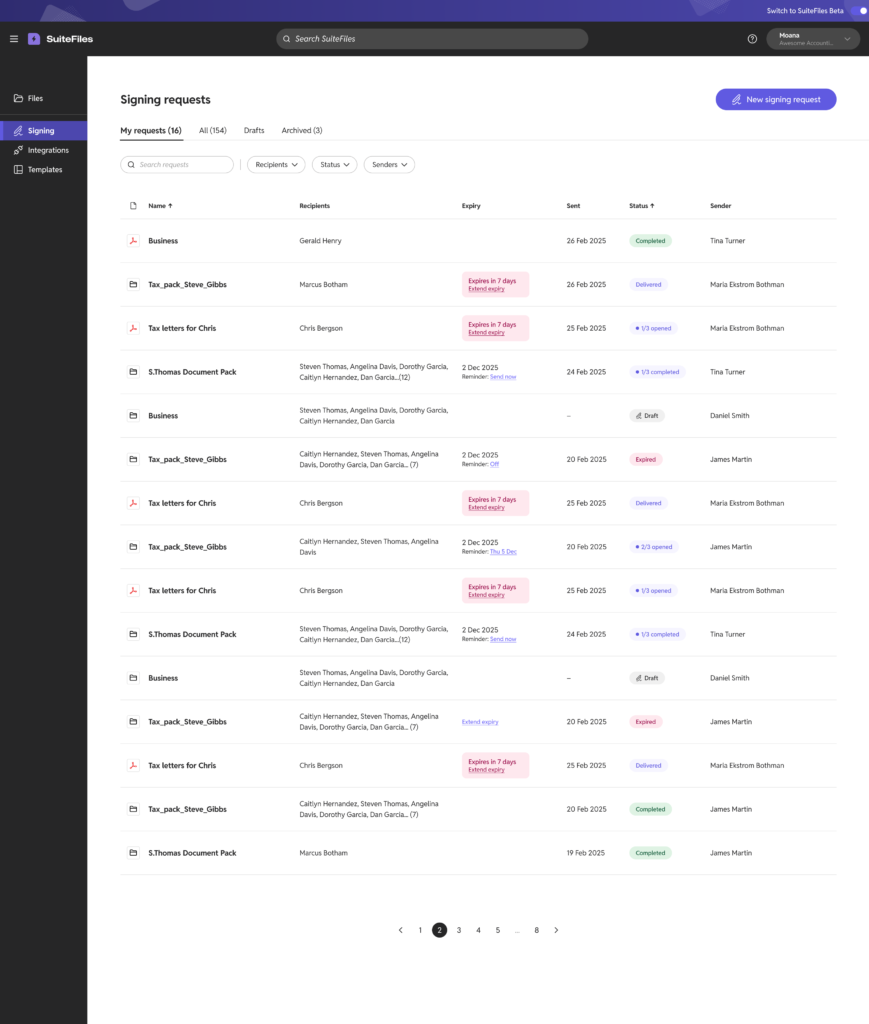
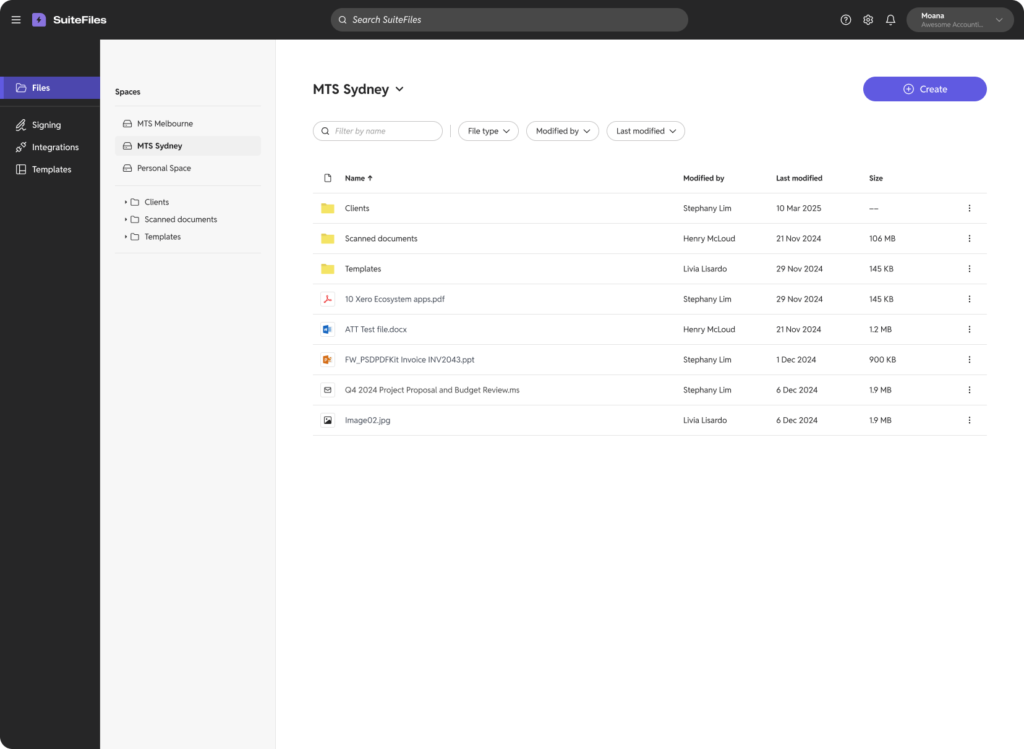
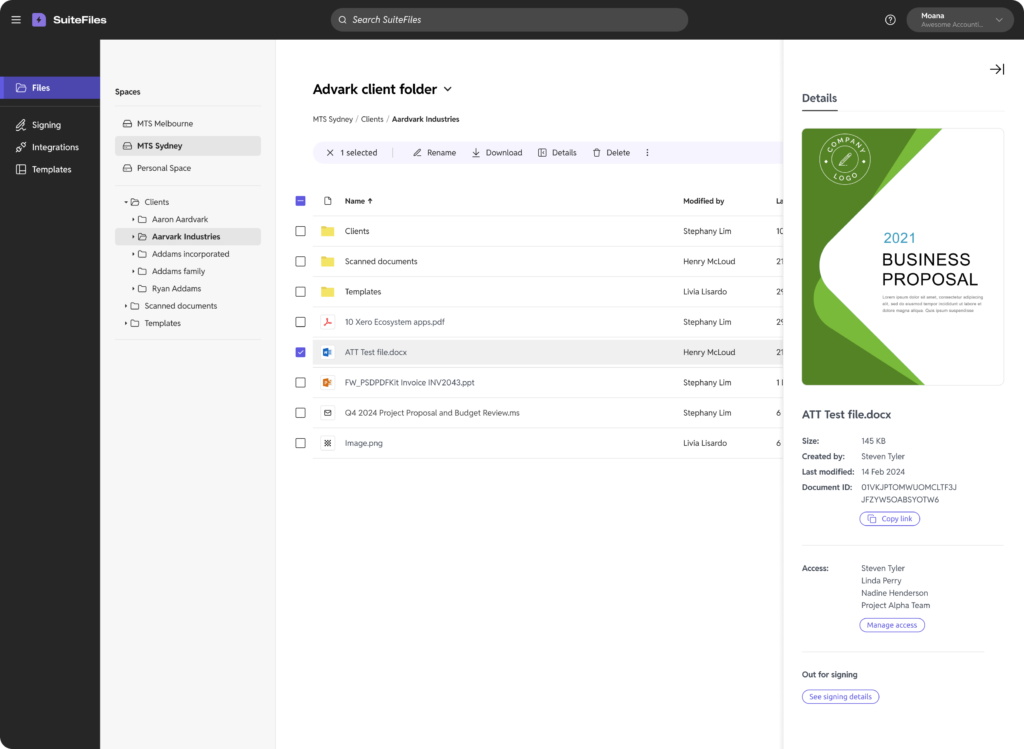
SuiteFiles is a cloud-based document management platform designed to simplify document storage, collaboration and business process automation for small and medium-sized businesses. The platform enables organizations to manage documents, emails, templates and other business content from a single environment while integrating with tools such as Microsoft 365, Outlook, Xero and other business applications.
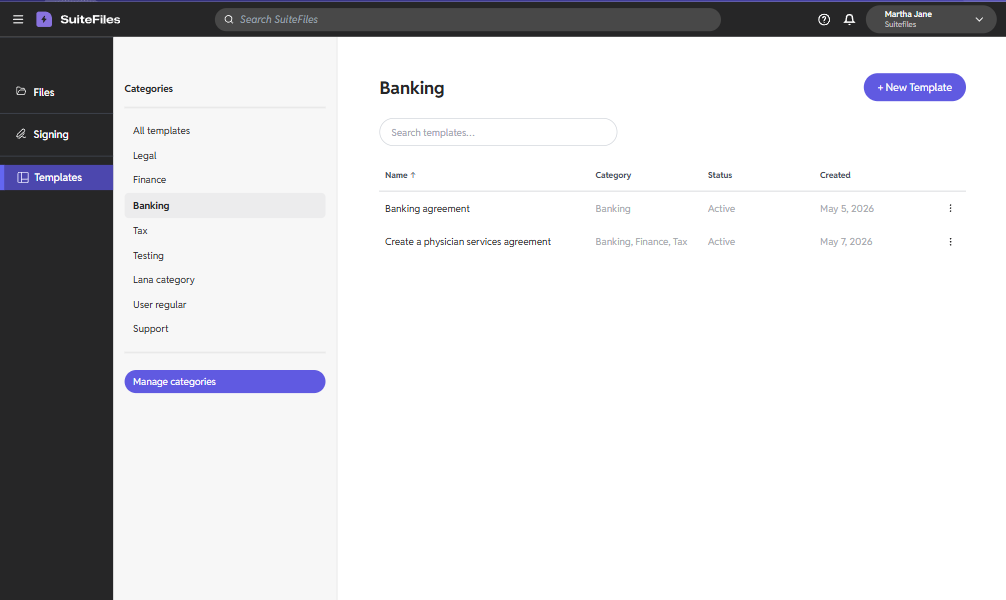
Over the past 13 years, SuiteFiles has grown into a mature product used by businesses that rely on it every day. Its functionality extends well beyond document storage, including electronic document signing, version control, client folder organization, secure file sharing, email management, document generation from templates and comprehensive user role and permission management.
As the platform evolved, however, the limitations of the legacy architecture became increasingly apparent. The client decided it was time not simply to modernize the existing system, but to rebuild it into a scalable platform capable of supporting the next generation of intelligent document management.
The challenge
The objective was ambitious: rebuild a platform that had been evolving for more than a decade without disrupting the business value it already provided.
Unlike greenfield development, this project involved replacing a large, mature system while preserving the functionality that thousands of users already depended on. Every feature, workflow and business rule had to be carefully analyzed before being recreated in the new architecture.
The challenge became even more complex because we joined the project after development had already begun. Part of the new backend had already been implemented before our involvement, meaning we needed to understand two systems simultaneously:
- the legacy platform, containing over 13 years of accumulated business logic and implicit knowledge
- the new platform architecture that had already been partially built
Many of the decisions made throughout the platform’s history were undocumented. Understanding why certain workflows behaved the way they did often required conversations with people who had been involved with the product for years rather than simply reading technical documentation.
At the same time, the client wanted the rebuilt platform to become far more than a modern replacement. The vision was to create an intelligent document management solution with AI capabilities built into its foundation rather than added as an afterthought.
Our solution
Our role extended far beyond software development. We became part of the long-term product evolution, helping continue the rebuild while contributing to architectural decisions, delivery processes and knowledge transfer.
The new platform focuses on several key objectives:
- replacing the legacy architecture with a modern, scalable solution
- improving maintainability and long-term extensibility
- delivering better overall performance
- enhancing the user experience
- preserving seamless integrations with existing business tools
- creating a foundation for AI-powered functionality
Rather than treating artificial intelligence as a separate module, the platform is being designed with intelligence built into its core.
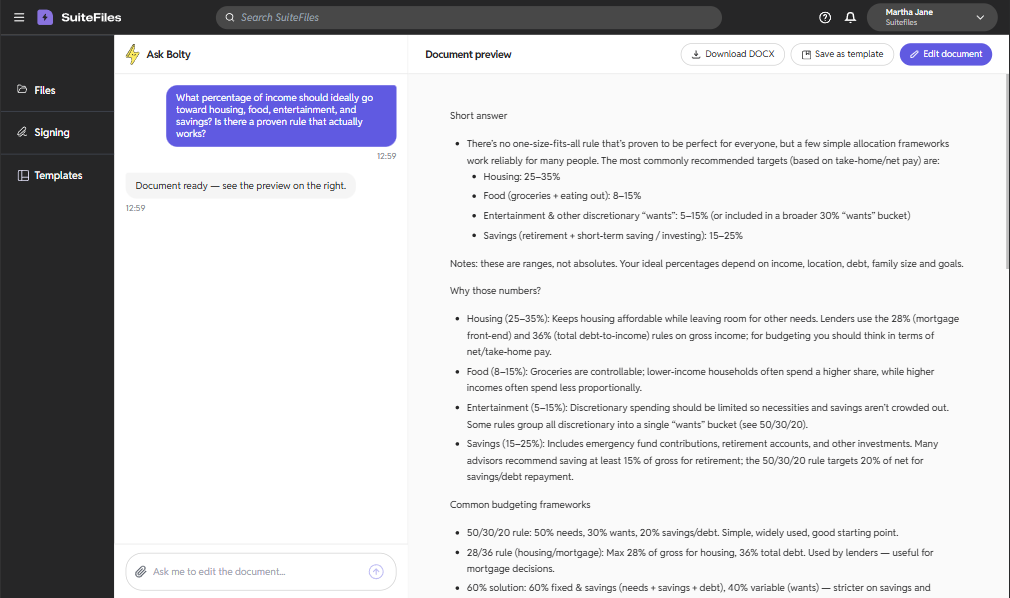
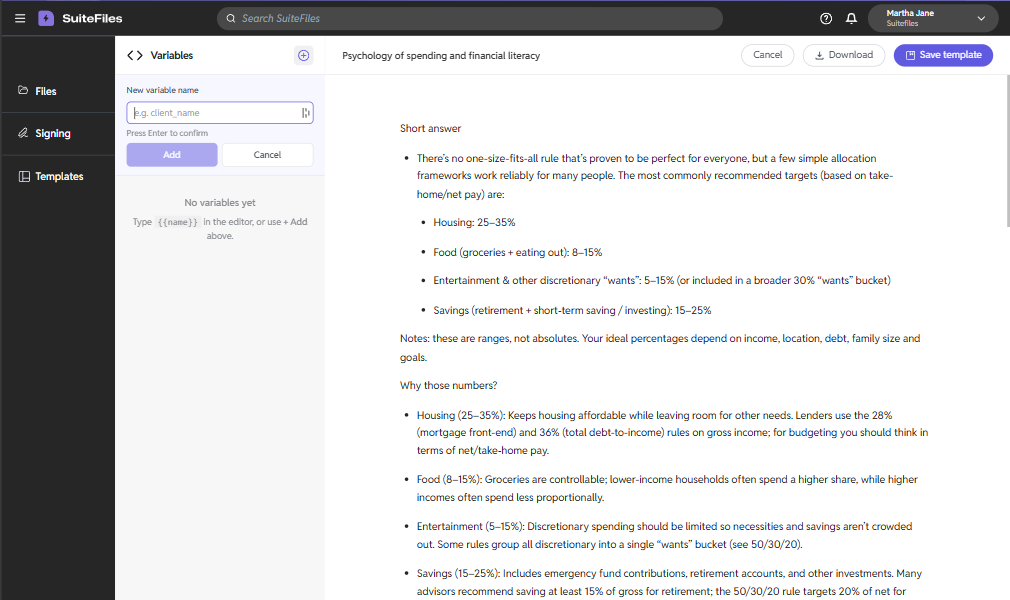
One feature already implemented allows users to generate document templates through a conversational chat interface. Instead of manually creating templates, users can describe what they need, after which placeholders are automatically generated and can later be populated with client-specific information.
Alongside this, we developed a proof of concept for automated PDF processing capable of recognising signature fields, names, dates and initials within documents. While still in the prototype phase, this functionality demonstrates the direction in which the platform is evolving and lays the groundwork for future automation features.
Overcoming the knowledge gap
One of the biggest challenges was acquiring the extensive product knowledge that had accumulated over more than a decade.
Many important business rules existed only in the experience of long-standing team members rather than in documentation. Successfully rebuilding the platform required understanding not only how the software worked but also why it behaved the way it did.
To accelerate this process, one of the key product experts travelled to our Zagreb office for an intensive knowledge transfer session. Having direct access to someone with deep understanding of both the legacy and the new system allowed our team to ask detailed questions, review complex workflows and clarify years of undocumented product behaviour.
Another on-site workshop is already planned, this time including the Head of Product, the CEO and the same product expert. These in-person sessions have proven significantly more effective than remote meetings for transferring complex domain knowledge, discussing architecture and aligning long-term product direction.
At the same time, we recognized that this knowledge could not remain dependent on a handful of individuals. As the project grows and additional engineers join the team, documentation becomes just as valuable as the code itself.
For that reason, documenting business logic, architectural decisions and implementation details has become an integral part of our delivery process rather than an afterthought.
Delivering across three continents
Beyond the technical challenges, the project introduced significant organisational complexity.
The engineering team operates from Croatia, project management is based on the US West Coast and the client together with product stakeholders are located in New Zealand. Coordinating development across three widely separated time zones required establishing communication practices that could function with very limited overlapping working hours.
During the first weeks, the combination of distributed teams, an evolving architecture and onboarding into an already active project naturally created communication challenges.
Through continuous refinement, we established a workflow that now provides structure without introducing unnecessary overhead.
Our communication model includes:
- weekly internal engineering meetings focused on technical discussions and problem solving
- twice-weekly project synchronisation meetings with management
- asynchronous daily status updates shared with the wider team
- stakeholder and product meetings organised whenever project decisions require direct discussion
Because real-time communication with New Zealand is limited, asynchronous collaboration has become a critical success factor.
To support this way of working, Jira serves as the project’s single source of truth. Requirements, implementation tasks, technical decisions and ongoing changes are documented centrally, ensuring that every team member has access to the same information regardless of location or working hours.
This disciplined approach has significantly reduced coordination overhead while improving visibility across all teams involved in the project.
Results so far
Although our involvement began only six months ago, the project has already reached several important milestones.
We successfully integrated into an existing development effort, expanded the new platform, contributed to AI-driven functionality and established processes that make collaboration across three continents significantly more efficient.
Just as importantly, we transformed knowledge sharing into a structured process through documentation and ongoing collaboration with the client’s product experts. This has reduced project risk while creating a stronger foundation for future development.
The platform itself continues to evolve, with additional AI capabilities and modern document automation features planned for future releases.
While much of the journey still lies ahead, the project today stands on considerably stronger foundations than when we joined. A clearer architecture, better communication processes, improved knowledge management and a shared long-term vision have positioned the team to continue rebuilding SuiteFiles into a modern, intelligent document management platform designed for the next decade of growth.